From Binary to Multi-Class: Benchmarking AutoGluon Against Classical Machine Learning for Diabetes Prediction and the Rise of Agentic Clinical AI
Abstract
The integration of automated machine learning (AutoML) into clinical workflows promises to democratize advanced predictive analytics, yet rigorous benchmarks against state-of-the-art (SOTA) classical machine learning pipelines remain limited. This study presents a comprehensive evaluation of AutoGluon against classically engineered ML approaches meticulously engineered for the prediction of diabetes risk, a global health priority that affects more than 537 million adults around the world. We conduct two complementary experiments: (1) binary diabetes classification on a 100,000-sample data set, and (2) a novel three-class risk stratification framework (Normal, Pre-Diabetes, Diabetes) aligned with American Diabetes Association (ADA) 2025 guidelines, establishing a new benchmark for pre-diabetes detection. Results demonstrate that AutoML achieves performance parity with classical SOTA models (AUC: 0.9790 vs. 0.9791) while reducing the development effort by 93% and substantially lowering the requirements of expert intervention. A discordance analysis reveals that rare model disagreements are concentrated in clinically ambiguous borderline cases, reflecting areas of inherent diagnostic uncertainty rather than model failure. Beyond benchmarking, we conceptualize AutoML as the computational core of Agentic Clinical AI Systems—autonomous, adaptive architectures capable of continuous learning, explainability, and real-world clinical deployment. Collectively, these findings support AutoML-powered agentic systems as a scalable and practical pathway for high-quality diabetes prediction across diverse healthcare settings.
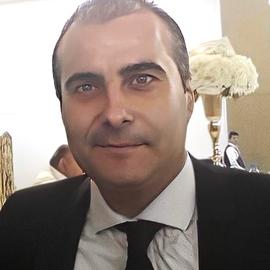
Mohamad Abou Ali
Postdoctoral Researcher
I develop generalizable deep learning methods for biomedical imaging, advancing diagnostic accuracy, data augmentation, and intelligent healthcare systems.
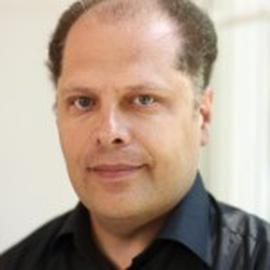
Fadi Dornaika
Ikerbasque Research Professor
Ikerbasque Research Professor with expertise in computer vision, machine learning, and pattern recognition.
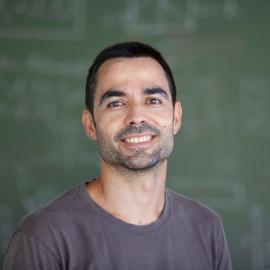
Ignacio Arganda-Carreras
Ikerbasque Research Associate Professor
My research interests include image processing, computer vision, and deep learning for biomedical applications.